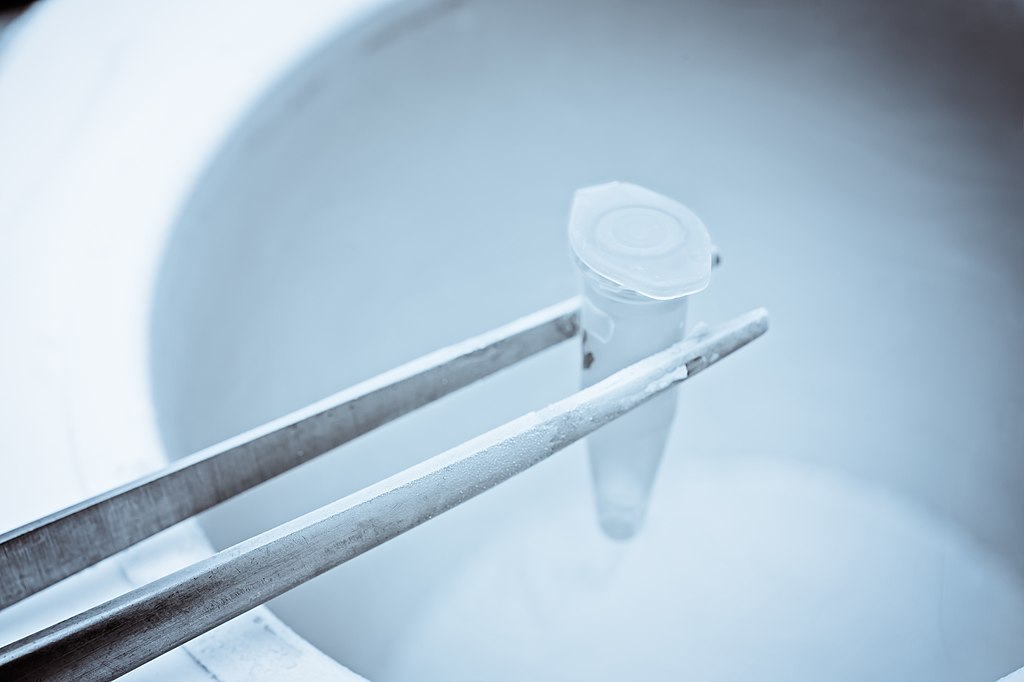
A new research partnership between the Queensland Eye Institute (QEI) and the University of Queensland (UQ) aims to improve stem cell preservation for use in therapies treating eye disease.
Stem cells found in human body fat (adipose tissue) show potential for treating corneal diseases and injuries, retinal degenerative diseases, glaucoma and optic nerve injury.
Adipose-derived stem cells (ADSCs) are a promising tool for tissue-engineering due to their abundance, accessibility, and ability to transform into other cell types.
For scientists exploring new ways to engineer tissue for ophthalmic therapies, a reliable supply of stable, structurally sound stem cells is crucial.
This new collaboration between QEI and UQ aims to develop and refine methods for preserving adipose tissue and ADSCs to ensure their long-term viability. It’s hoped that preserving adipose tissue and ADSCs will support future research in ocular tissue bioengineering, and the development of new therapies to treat eye disease.
QEI’s Dr Alexandra Manta and Dr Shuko Suzuki developed the research proposal and secured a partnership with the UQ Advanced Cell Therapy Manufacturing Initiative at the University of Queensland to pursue this.